Sunday, September 27
EOS/ESD Association, Inc. Annual Meeting & Reception - Open to All Attendees
Monday, September 28
Opening Welcome
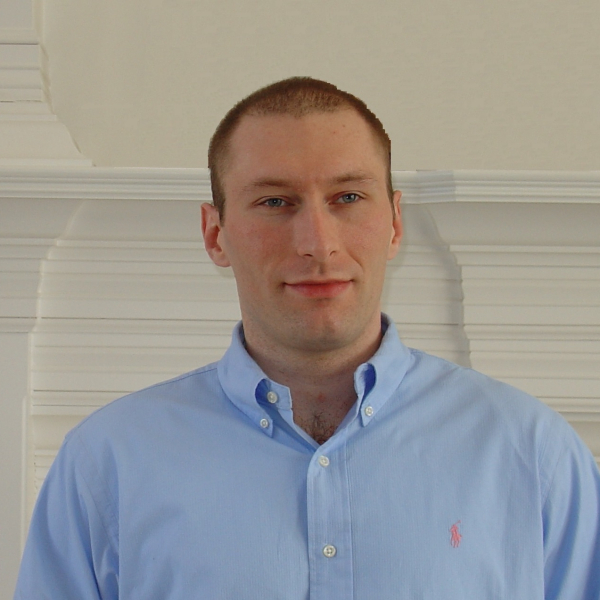
James Di Sarro
Dr. James Di Sarro received the B.S. degree (summa cum laude) in electrical engineering and economics from Duke University, Durham, NC, in 2004, and the M.S. and Ph.D. degrees in electrical and computer engineering from the University of Illinois Urbana-Champaign, Urbana, IL, in 2006 and 2009, respectively. He is currently a Member of the Group Technical Staff at Texas Instruments in Dallas, TX, working on product-level ESD protection circuit design and verification. From 2009 to 2013, he worked on ESD devices and compact model development for advanced CMOS technologies as an Advisory Engineer/Scientist at IBM Corporation. While a student, he completed several summer internships at IBM Corporation and National Semiconductor in electrostatic discharge (ESD) protection device development. He has 29 granted patents and has authored or co-authored 15 conference presentations and journal papers. Dr. Di Sarro received an IBM Ph.D. Fellowship and an EOS/ESD Symposium Best Student
Paper Award.
Keynote: Deep Neural Networks and Transfer Learning: Unlocking the Potential for ESD Data Analysis and Simulations
Mehrdad Nourani
Mehrdad Nourani received a Ph.D. in computer engineering from Case Western Reserve University, Cleveland, Ohio. He joined the University of Texas at Dallas in 1999, where he is currently a Professor of Electrical & Computer Engineering and Associate Provost. Dr. Nourani's research interests include system-on-chip design & test, design for reliability, signal/image processing, machine learning for risk assessment and prediction for mission-critical devices and systems. His research has been supported by the National Science Foundation, Semiconductor Research Corporation, and industry. Dr. Nourani holds seven utility patents and has published more than 300 papers in peer-reviewed journals and conference proceedings.
2027 ESDA Roadmap Update
Symposium Paper Awards Presentation Lunch
James Di Sarro
Dr. James Di Sarro received the B.S. degree (summa cum laude) in electrical engineering and economics from Duke University, Durham, NC, in 2004, and the M.S. and Ph.D. degrees in electrical and computer engineering from the University of Illinois Urbana-Champaign, Urbana, IL, in 2006 and 2009, respectively. He is currently a Member of the Group Technical Staff at Texas Instruments in Dallas, TX, working on product-level ESD protection circuit design and verification. From 2009 to 2013, he worked on ESD devices and compact model development for advanced CMOS technologies as an Advisory Engineer/Scientist at IBM Corporation. While a student, he completed several summer internships at IBM Corporation and National Semiconductor in electrostatic discharge (ESD) protection device development. He has 29 granted patents and has authored or co-authored 15 conference presentations and journal papers. Dr. Di Sarro received an IBM Ph.D. Fellowship and an EOS/ESD Symposium Best Student
Paper Award.
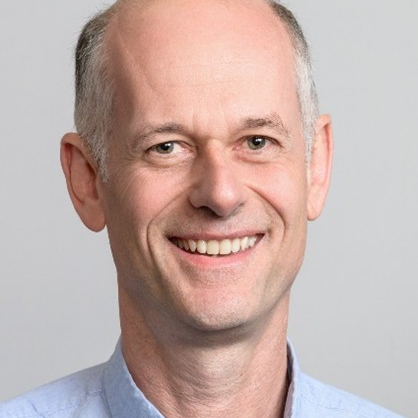
Alain Loiseau
Alain Loiseau received a maîtrise in Electrical Engineering from the Université des Sciences et Techniques du Languedoc, France, in 1993 and a master's in electrical engineering from the University of Virginia in 1995. He has worked for IBM, STMicro, and GLOBALFOUNDRIES on CMOS technology development and characterization, CPU power reduction, flash array functional testing, high-voltage FET reliability, and ESD. He holds over 100 US patents and has (co)-authored 13 papers.
Year in Review: ESD Protection Challenges and Strategies in Advanced CMOS Technologies
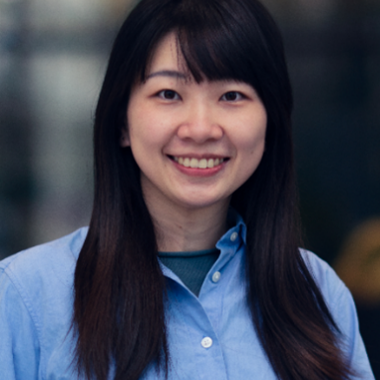
Wen-Chieh Chen
Wen-Chieh Chen received the B.S and M.S. degrees in electronics engineering from National Chiao-Tung University, Hsinchu, Taiwan, in 2016 and 2018, respectively, and the Ph.D. degree from the Electrical Engineering Department (ESAT), Katholieke Universiteit Leuven (KU Leuven), Leuven, Belgium, in 2024. She joined the ESD team, imec, Leuven, Belgium, in 2019. Her current research interests include mixed-voltage I/O design and ESD characterization in advanced sub-5-nm technologies, 3D/2.5D ICs, and the DTCO/STCO scaling roadmap.
Author's Corner for 1A.1, 1A.2, 1B.1, 1B.2, 2A.1, 2A.2, 2A.3, M1.1, M1.2, M1.3
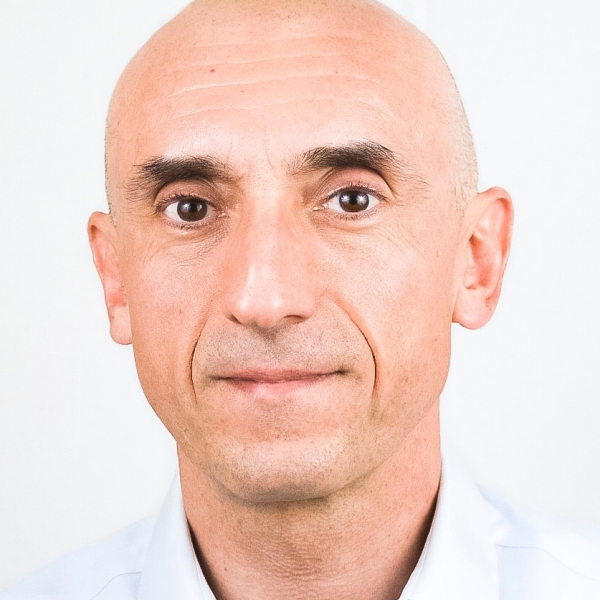
Gianluca Boselli
Gianluca Boselli earned his MS in EE from the University of Parma (1996) and PhD from the University of Twente (2001). He joined Texas Instruments in 2001, focusing on ESD and latch-up for CMOS technologies. He currently manages TI's corporate ESD Team and directs the Advanced Technology Development University Research Program. A prolific author and speaker, he has received multiple best paper awards and the prestigious ESD Association Outstanding Contribution Award (2019). He holds 20+ patents, serves on the EOS/ESD Association Board of Directors as Chief Strategist, and is an IEEE Senior Member.
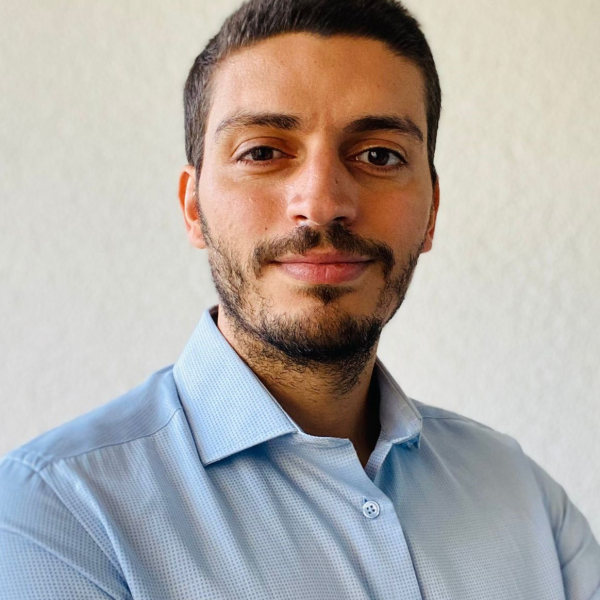
Mohamed Chefai
Mohamed Chefai received his Master's degree in Electrical Engineering from the Technical University of Munich (TUM) in 2022. After his studies, he joined the central ESD department of Infineon Technologies AG based in Munich, Germany. In his current position at Infineon, Mohamed works on ESD engineering with a strong focus on device testing.
Wen-Chieh Chen
Wen-Chieh Chen received the B.S and M.S. degrees in electronics engineering from National Chiao-Tung University, Hsinchu, Taiwan, in 2016 and 2018, respectively, and the Ph.D. degree from the Electrical Engineering Department (ESAT), Katholieke Universiteit Leuven (KU Leuven), Leuven, Belgium, in 2024. She joined the ESD team, imec, Leuven, Belgium, in 2019. Her current research interests include mixed-voltage I/O design and ESD characterization in advanced sub-5-nm technologies, 3D/2.5D ICs, and the DTCO/STCO scaling roadmap.
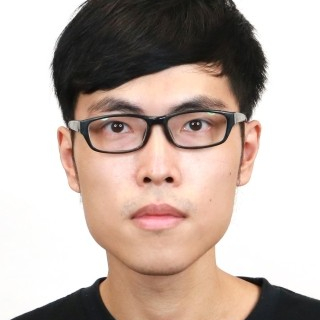
Tzu-Hao Chiang
Tzu-Hao Chiang received the B.S. degree in electrical engineering and the M.S. degree in electronic engineering from National Taiwan University, Taipei, Taiwan, in 2020. He joined Taiwan Semiconductor Manufacturing Company (TSMC) in 2020, where he is currently a senior engineer in the ESD/EOS Technology Department. His work focuses on single-event latch-up (SEL) and ESD victim design solution development.
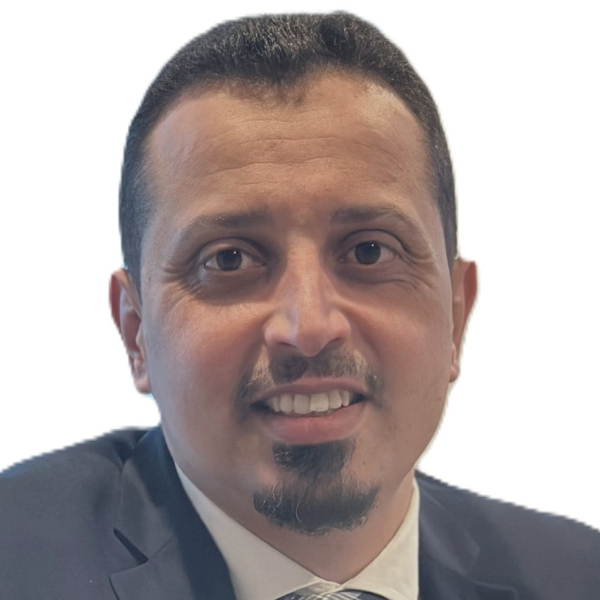
Mahdi Elghazali
Mahdi Elghazaki received his PhD in 2017 from the University of Waterloo, ON, Canada. He joined Intel in October 2018, and since then, he has been part of the ESD and LU quality and reliability team, working to ensure the ESD robustness of Intel's new technology nodes.
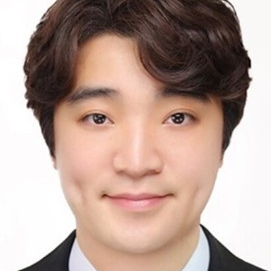
Jehoon Lee
Jehoon Lee received his B.S., M.S., and Ph.D. degrees in Electronic and Electrical Engineering from Dankook University (DKU), Korea, in 2016, 2018, and 2023, respectively. He is currently with the ESD/TCAD Team at DBHiTek. His research focuses on ESD protection design in BCD, CIS, LDI, and other processes, as well as TCAD-based device analysis.
Kuo-Hsuan Meng
Kuo-Hsuan Meng received his B.S. degree from the Department of Electronics Engineering and his M.S. degree from the Institute of Electronics, National Chiao Tung University, Hsinchu, Taiwan, in 2006 and 2007, respectively. He received his Ph.D. from the Department of Electrical and Computer Engineering at the University of Illinois Urbana-Champaign in 2015. He worked at NXP Semiconductors, Austin, TX, from 2015 to 2021. He has been with Silicon Laboratories, Austin, TX, since 2021. His research interests include ESD protection network design, I/O library architecture, and CAD/EDA development for SoC integration and ESD/latch-up design verification.
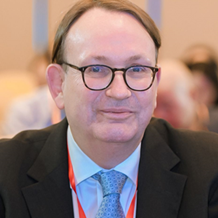
Wolfgang Stadler
Wolfgang Stadler is a consultant specializing in electrostatic discharge (ESD) and electrical overstress (EOS), with 30 years of experience in both areas. He is the co-founder and co-owner of Gärtner & Stadler ESD Consulting GmbH & Co. KG. He actively participates in the EOS/ESD Association and IEC working groups focused on ESD control and process assessment. Wolfgang is co-chair of the ESDA business unit "Standardization". Wolfgang is appointed to the Board of Directors of the EOS/ESD Association. In 2019, he received the Outstanding Contribution Award from the EOS/ESD Association, and in 2021, the Joel P. Weidendorf Award for his significant contributions to the development of EOS/ESD standards. He is a member of the German National Committee DKE/K 185 and has served as Secretary of IEC TC101 since January 2026. Since 2015, he has been serving as president of the German ESD FORUM e.V.
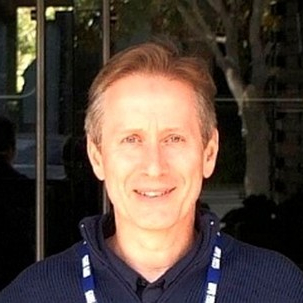
Michael Stockinger
Michael "Michi" Stockinger received his PhD in electrical engineering with highest honors from Vienna University, Austria, in 2000. His doctoral research focused on the optimization of ultra-low-power CMOS transistors. In 2000, he joined Motorola's semiconductor sector, which became Freescale Semiconductor in 2004 and NXP Semiconductors in 2016. Michael is currently a Technical Director with NXP's Analog Competence Center located in Austin, Texas, focusing on ESD protection and LU prevention for advanced CMOS products. His on-chip ESD solutions have been implemented in the Kinetis, i.MX, ColdFire, and MCX product lines. Michael was awarded several EOS/ESD Symposium awards: 2001 Best Paper, 2003 Best Paper & Best Presentation, 2013 Best Paper & Outstanding Paper, and 2020 Best Paper. He received the 2023 Industry Pioneer Recognition Award by the ESD Association. Michael has authored over 40 technical papers and holds 34 patents. He has served in the TPCs of several EOS/ESD Symposia, International Reliability and Physics Symposia, and International ESD Workshops, and has taught several ESDA tutorials and online courses. Michael is chair of the JEDEC JESD78 latch-up testing workgroup and Si2's CMC ASM-ESD diode model workgroup.
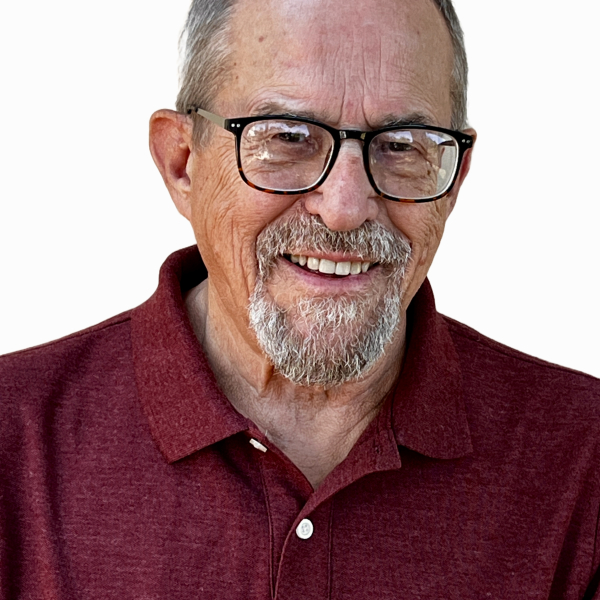
David E. Swenson
David E. Swenson retired in 2003 after 35 years of service at 3M. While at 3M, he was responsible for new static control packaging material development and application, training 3M personnel worldwide, and providing application assistance to users of static control products globally, with particular emphasis on Asia Pacific and Japan. Dave and his wife, Geri, established a new company, Affinity Static Control Consulting, L.L.C., in 2003, and support clients around the world. Dave has been a member of the ESD Association since 1984 and has served in many capacities, including as the 1997 Symposium General Chair and as president of the Association in 1998 and 1999, and again in 2008 and 2009. He is currently appointed to the Board of Directors to assist with technical inquiries. Dave was presented with the ESD Association's highest award, the “Outstanding Contributions Award,” in 2002. He is an original member of the ESDA Standards Committee, serving on many Working Groups and the ANSI/ESD S20.20 Task Team. He is a member of the Electrostatic Society of America and IMAPS, and is a retired US Expert on IEC TC101, Electrostatics, after serving for more than 20 years.
Tuesday, September 29
Morning Welcome
James Di Sarro
Dr. James Di Sarro received the B.S. degree (summa cum laude) in electrical engineering and economics from Duke University, Durham, NC, in 2004, and the M.S. and Ph.D. degrees in electrical and computer engineering from the University of Illinois Urbana-Champaign, Urbana, IL, in 2006 and 2009, respectively. He is currently a Member of the Group Technical Staff at Texas Instruments in Dallas, TX, working on product-level ESD protection circuit design and verification. From 2009 to 2013, he worked on ESD devices and compact model development for advanced CMOS technologies as an Advisory Engineer/Scientist at IBM Corporation. While a student, he completed several summer internships at IBM Corporation and National Semiconductor in electrostatic discharge (ESD) protection device development. He has 29 granted patents and has authored or co-authored 15 conference presentations and journal papers. Dr. Di Sarro received an IBM Ph.D. Fellowship and an EOS/ESD Symposium Best Student
Paper Award.
Keynote: Reliability Risk in Harsh Radiation Environments: Why Good Electrical Latch-up Performance is NOT Sufficient to Guarantee Radiation Hardness
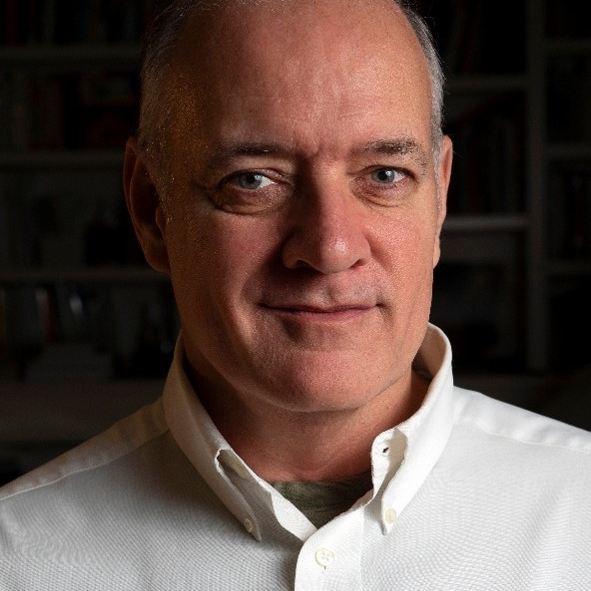
Robert C. Baumann
With a Ph.D. from Rice University and nearly 30 years of technical leadership at Texas Instruments, Robert C. Baumann is a pioneer in the field of radiation effects. Most notably, his research into low-energy cosmic-ray neutrons resulted in a 10x reduction in integrated circuit reliability failure rates across the industry. His career is defined by transformative contributions, from inventing the industry’s first web-based soft-error calculator to developing ultra-low alpha packaging flows. Robert drove several external radiation-effects standards and was directly responsible for drafting the JEDEC 89/89A radiation test standard. He also led a panel of experts that successfully negotiated with Congress and the Department of Commerce to change ITAR regulations, eliminating inadvertent and arbitrary export control restrictions on U.S. semiconductor companies. In his last 6 years at TI, he was the chief technologist for the Aerospace and Defense Product group, where he expanded TI’s radiation-effects characterization capabilities and defined and enabled the development of new radiation-hardened products. Robert retired in 2018 and started a consultancy (Radiosity Solutions) providing leading-edge solutions to the aerospace and semiconductor industries. He was also a part-time faculty member/research scientist developing radiation-effects programs at SMU (’18-22) and then at UT Dallas (’22-26), where he helped build the Center for Harsh Environment Semiconductors and Systems (CHESS). Robert is a TI Fellow (emeritus) and IEEE Fellow, has coauthored > 100 papers/presentations, coauthored TI’s popular “Radiation Handbook for Electronics”, two book chapters, and holds 17 patents.
4A.1 Overview of Standalone MOS Based Protections and Network Integrations
Johan Bourgeat
Johan received his PhD in 2011, specializing in innovative ESD (Electrostatic Discharge) devices in the C28SOI node. He joined STMicroelectronics, where he has dedicated his expertise to developing new SCR-based ESD solutions. Over the years, Johan has been responsible for advancing ESD protections for analog, RF, and high-voltage applications, as well as addressing latch-up issues in CMOS, Bi-CMOS, and PIC technologies.
He is currently an active member of the technical staff community and serves on the ESD/EOS/EMC/Latch-Up Steering Committee. Recently, he has taken on the leadership role of the TDP/IPLD ESD Team based in Crolles. Johan is also an innovative contributor to the field, regularly filing patents and publishing at various scientific conferences.
4A.2 HV Power Stage Protection with NLDMOS-SCR
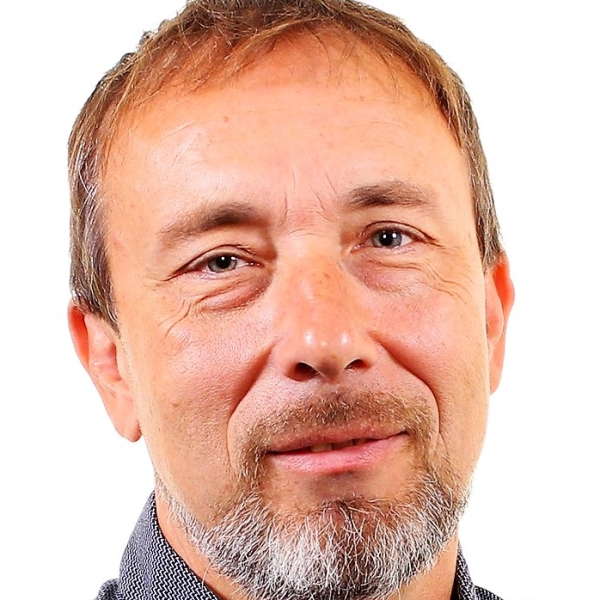
Vladislav Vashchenko
Dr. Vladislav Vashchenko has been the Sr. Director, Power ESD Group at Analog Devices Corp since 2011. He is responsible for aspects of power analog ESD/Latch-up IC co-design business process and technology development. Previously, he managed ESD technology development at National Semiconductor (2000-2011). He received an MS Engineer-Physicist (1987), a Ph.D. in Physics of Semiconductors from MIPT (1990), and a "Doctor of Science in Microelectronics" habilitation degree (1997). He is the author of 150 U.S. patents, over 120 papers, and co-author of three books in the ESD field.
Author's Corner for 3A.1, 3A.2, 3A.3, M2.1, M2.2, M2.3, 4A.1, 4A.2, 5A.1, 5A.2, 5A.3
Johan Bourgeat
Johan received his PhD in 2011, specializing in innovative ESD (Electrostatic Discharge) devices in the C28SOI node. He joined STMicroelectronics, where he has dedicated his expertise to developing new SCR-based ESD solutions. Over the years, Johan has been responsible for advancing ESD protections for analog, RF, and high-voltage applications, as well as addressing latch-up issues in CMOS, Bi-CMOS, and PIC technologies.
He is currently an active member of the technical staff community and serves on the ESD/EOS/EMC/Latch-Up Steering Committee. Recently, he has taken on the leadership role of the TDP/IPLD ESD Team based in Crolles. Johan is also an innovative contributor to the field, regularly filing patents and publishing at various scientific conferences.
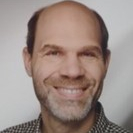
Steffen Holland
Steffen Holland received his PhD in Physics from the University of Hamburg. He joined Nexperia's bipolar process development group in Hamburg, Germany, in 2005. The focus of his work quickly became TCAD process and device simulations for discrete ESD protection devices. He now works on TVS protection devices. His interests are system-level ESD simulations, and he is chair of the ESDA working group 26. He serves on the Board of Directors at the ESDA.
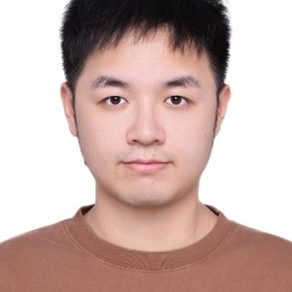
Ruoyu Hu
Ruoyu Hu is currently working as a reliability engineer at Amazon. Ruoyu received his PhD from the University of Southampton, with a major in Bioelectronic Sensors. Before that, he earned his Master of Engineering degree in electronics from the University of Edinburgh. He was awarded a Bachelor's degree in Electronic Engineering and Automation from Beijing Institute of Technology. Ruoyu worked at Neuron Network on CV-related research and on their automation application at Amazon. He also dives deep into ESD-related research and protection methodology related to tests.
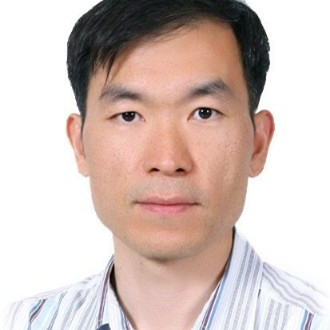
Jun-Bae Kim
Jun‑Bae Kim holds a Ph.D. in electrical engineering and is a Principal Engineer at Samsung Electronics with over 20 years of experience in DRAM circuit design and reliability. He spent more than a decade on DRAM I/O, high‑speed interface, and signal‑integrity design, then transitioned to system‑level ESD engineering, investigating ESD‑induced failures in high‑speed memory and EMI mitigation for mobile DRAM. Since 2024, he has tackled ESD challenges in stacked‑DRAM packaging and manufacturing. His current research focuses on system‑level ESD, the charged‑device model (CDM), and ESD‑aware design methodologies.
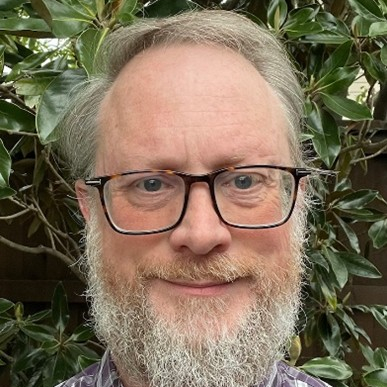
Hans Kunz
Hans Kunz joined Texas Instruments in 2003, after nine years at Dallas Semiconductor/Maxim, and was elected Distinguished Member of Technical Staff in 2017. His past responsibilities include designing, developing, and implementing ESD protection circuits for analog CMOS and high-voltage BiCMOS technologies, as well as developing ESD verification tools and methodologies. Hans is currently focused on developing test, measurement, and design methodologies for system-level ESD protection at the IC level. Hans is a co-author of multiple publications on ESD and received the Best Presentation Award at the 2006 EOS/ESD Symposium. He holds 13 patents.
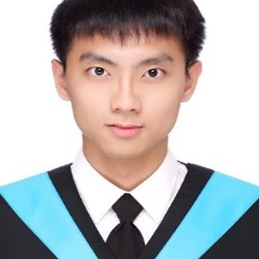
Chang-Jiun Lai
Chang-Jiun Lai received the B.S. degree from the Department of Electronics and Electrical Engineering, National Yang-Ming Chiao Tung University (NYCU), Hsinchu, Taiwan, in 2024, and the M.S. degree from the Institute of Electronics, National Yang Ming Chiao Tung University (NYCU), Hsinchu, Taiwan, in 2025. He is currently an engineer of mixed-signal analog circuit design with NVIDIA Corporation.
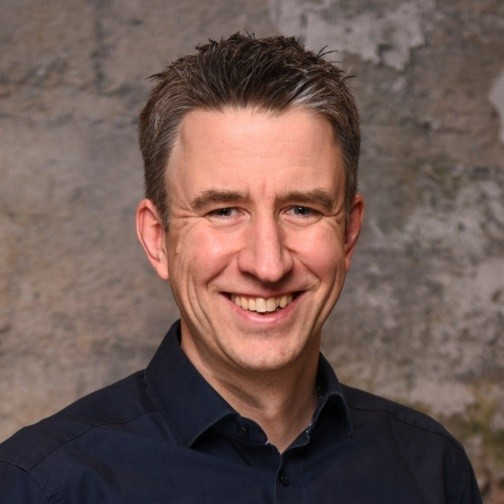
Martin Pilaski
Martin holds a diploma* in Computer Engineering from Mannheim University. He joined Philips Semiconductors in 2005 and has since then worked in several product design and application marketing roles for NXP and Nexperia. Martin is currently responsible for worldwide product application support of Nexperia's ESD Protection and Filtering portfolio with a focus on mobile, portable, consumer, and computing applications.
Vladislav Vashchenko
Dr. Vladislav Vashchenko has been the Sr. Director, Power ESD Group at Analog Devices Corp since 2011. He is responsible for aspects of power analog ESD/Latch-up IC co-design business process and technology development. Previously, he managed ESD technology development at National Semiconductor (2000-2011). He received an MS Engineer-Physicist (1987), a Ph.D. in Physics of Semiconductors from MIPT (1990), and a "Doctor of Science in Microelectronics" habilitation degree (1997). He is the author of 150 U.S. patents, over 120 papers, and co-author of three books in the ESD field.
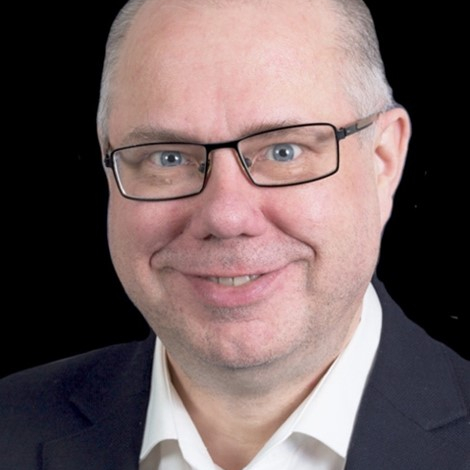
Toni Viheriäkoski
Toni Viheriäkoski established electrostatics laboratory services for Nokia in 2001. He specializes in electrostatics and ESD risk analysis across healthcare, medical, electronics, automotive, and process industries through his company, Cascade Metrology. He has authored over 30 publications on electrostatics and ESD. Toni serves as Chair of the Finnish STAHA Association and the Standardization Committee SK101, and contributes to IEC TC101 and the EOS/ESD Association workgroups. He received the IEC 1906 Award in 2019, the EOS/ESD Association Outstanding Paper Award in 2022, the Best Paper Award as co-author in 2023, and an international fellow award in Electrostatics in 2025.
Heinrich Wolf
Heinrich Wolf received his PhD from the Technical University of Berlin, Germany. In 1999, he joined the Munich branch of the Fraunhofer Institute for Reliability and Microintegration (IZM), which became the Fraunhofer Institute for Electronic Microsystems and Solid State Technologies EMFT. In his role as an expert in test and measurement, he became chief scientist at the EMFT and co-leads the Test of Electronic and Quantum Systems (TEQ) group. He also co-chairs the CDM Joint Working Group in the standardization body of the ESD Association, and represents the German ESD-Forum in the standards working groups.
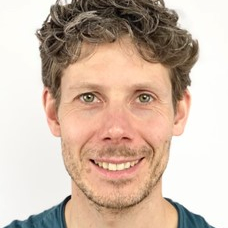
Friedrich zur Nieden
Friedrich zur Nieden received the Ph.D. degree in electrical engineering from TU Dortmund University, Germany, in 2014. From 2007 to 2012, he was a research and teaching assistant at the On-Board Systems Laboratory at TU Dortmund University. In 2010, he received a scholarship from the German Academic Exchange Service, which allowed him to stay at the University of Missouri Science and Technology in Rolla, Missouri, USA, where he continued his work in system-level ESD simulation. In 2012, he joined the central ESD department at Infineon Technologies AG in Munich, Germany. At Infineon, he works on ESD topics, focusing on characterization, device testing, ESD at the system level, and production support.
Wednesday, September 30
Morning Welcome
James Di Sarro
Dr. James Di Sarro received the B.S. degree (summa cum laude) in electrical engineering and economics from Duke University, Durham, NC, in 2004, and the M.S. and Ph.D. degrees in electrical and computer engineering from the University of Illinois Urbana-Champaign, Urbana, IL, in 2006 and 2009, respectively. He is currently a Member of the Group Technical Staff at Texas Instruments in Dallas, TX, working on product-level ESD protection circuit design and verification. From 2009 to 2013, he worked on ESD devices and compact model development for advanced CMOS technologies as an Advisory Engineer/Scientist at IBM Corporation. While a student, he completed several summer internships at IBM Corporation and National Semiconductor in electrostatic discharge (ESD) protection device development. He has 29 granted patents and has authored or co-authored 15 conference presentations and journal papers. Dr. Di Sarro received an IBM Ph.D. Fellowship and an EOS/ESD Symposium Best Student
Paper Award.
Keynote: Emerging Trends in High-Speed Applications, from Datacom to Base Stations
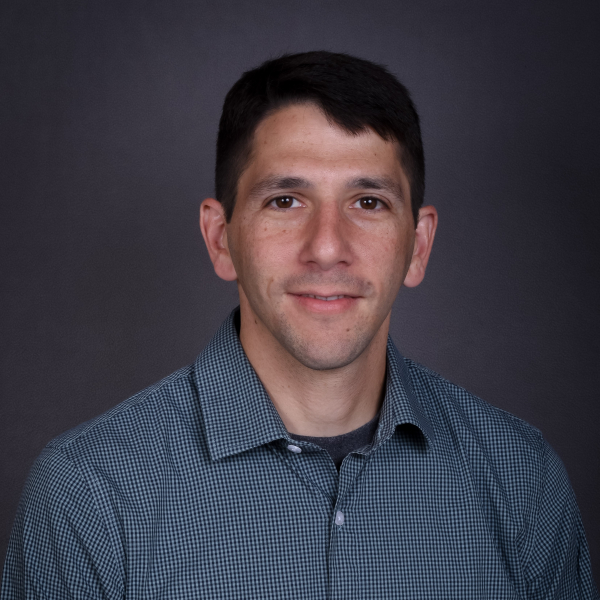
Brian Ginsburg
Brian Ginsburg received his B.S., M.Eng., and Ph.D. degrees from the Massachusetts Institute of Technology, graduating in 2007. He then joined Texas Instruments, Dallas, Texas, working in its wireless business. He was an analog design manager and systems manager of TI’s radar business. Now, he is a TI and IEEE Fellow who directs research in RF, Photonics, and Edge AI within TI’s Kilby Labs. He has previously served as the Program and General chairs of the Symposium on VLSI Technology and Circuits and is the RF subcommittee chair of the International Solid-State Circuits Conference.
Transition Break
Year in Review: Contact Pulsed CDM Testing with CC-TLP
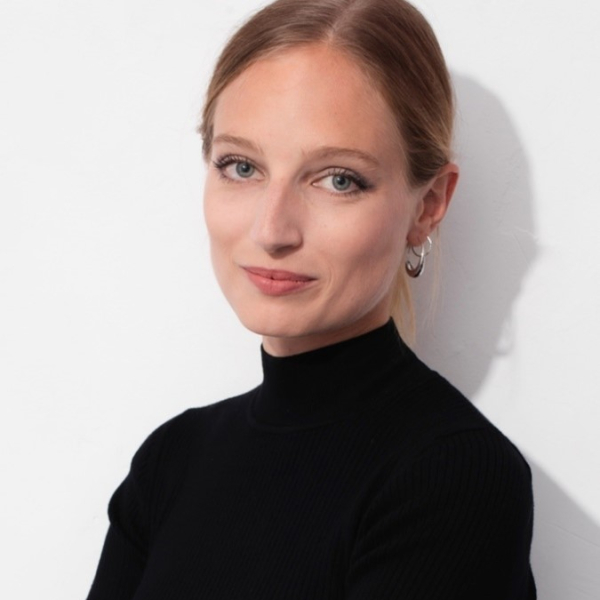
Lena Zeitlhoefler
Lena Zeitlhoefler received her Master's degree in Electrical Engineering in 2017 from the Technical University of Munich (TUM). During her time as a Ph.D. student at TUM, she worked in collaboration with Infineon Technologies AG in the fields of ESD and, in particular, on the physics of CDM and CDM simulation. She is an active member in several standardization working groups. In recent years, she was a member of the TPC for the EOSESD Symposium and for IEW Europe and Asia, and mentored several publications. She joined the global ESD team at Infineon in Munich, Germany, full-time in 2021.
Friedrich zur Nieden
Friedrich zur Nieden received the Ph.D. degree in electrical engineering from TU Dortmund University, Germany, in 2014. From 2007 to 2012, he was a research and teaching assistant at the On-Board Systems Laboratory at TU Dortmund University. In 2010, he received a scholarship from the German Academic Exchange Service, which allowed him to stay at the University of Missouri Science and Technology in Rolla, Missouri, USA, where he continued his work in system-level ESD simulation. In 2012, he joined the central ESD department at Infineon Technologies AG in Munich, Germany. At Infineon, he works on ESD topics, focusing on characterization, device testing, ESD at the system level, and production support.
ESA Invited Presentation: Electrostatic Instruments and Measurements
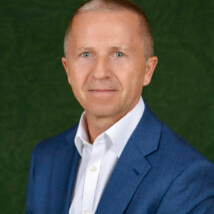
Maciej A. Noras
Dr. Maciej A. Noras is an Associate Professor at the University of North Carolina at Charlotte. Before joining academia, he was an R&D engineer at Trek, Inc. for 7 years, designing high-voltage amplifiers and commercial electrostatic measurement equipment, including fieldmeters, electrostatic voltmeters, and resistivity meters. His academic research projects include the development of novel electric field sensors and signal processing, applications of high electric fields, and energy harvesting.
ESA Invited Presentation: Converting Industry Static Control - Practical Considerations Part 1
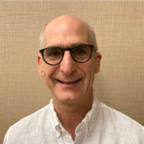
Mark Zaretsky
Mark Zaretsky was educated at MIT, earning a Ph.D. in Electrical Engineering, and went on to a 41-year career at Eastman Kodak, specializing in electrophotographic print technology and electrostatics in roll-to-roll manufacturing. Currently, he provides electrostatic consulting through ZStat, LLC, established in 2024. Dr. Zaretsky has 43 US patents and was honored as a Distinguished Inventor at Kodak. He also received the IS&T Charles Ives Award for co-authoring a paper on monitoring the electrophotographic development process. He serves on the editorial board of the Journal of Electrostatics and previously served as newsletter editor for the Electrostatic Society of America (ESA) for 17 years.
ESA Invited Presentation: Hazardous Area Static Control in Industrial Applications
Richard Puig
Richard Puig is a product manager for Newson Gale Inc. He has a degree in Marketing from Texas Tech University and an MBA from the University of Missouri. Member of NFPA 77 Technical Committee – Recommended Practice on Static Electricity. He is NICET Level III certified in Special Hazard Suppression Systems, NICET Level II in Fire Alarm, and a member of NFPA 75. He is a member of the Water Jet Technology Association (WJTA) safety committee for Vacuum Equipment. Has 26 plus years of experience in Special Hazard Suppression areas.
ESA Invited Presentation: Lunar Electrostatics and Dust Mitigation Tool
RCJ Invited Paper: Novel Methodology to Address ESD Verification Complexity of 2.5D/3D-IC Designs
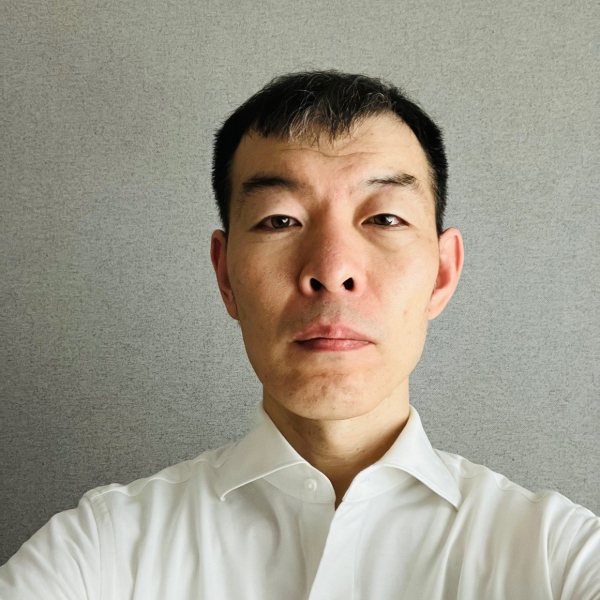
Hirotaka Yamazaki
Hirotaka Yamazaki received his M.S. in Engineering from Keio University in Japan in 2007. In 2007, he joined Fujitsu Laboratories, Ltd., where he was engaged in research and development of Power Integrity analysis. Since 2015, he has been with Socionext, Inc., where he is currently engaged in investigating and developing ESD verification technology.
Author's Corner for 6A.1, 6A.2, 6A.3, 6B.1, 6B.2, 6B.3, Invited Papers
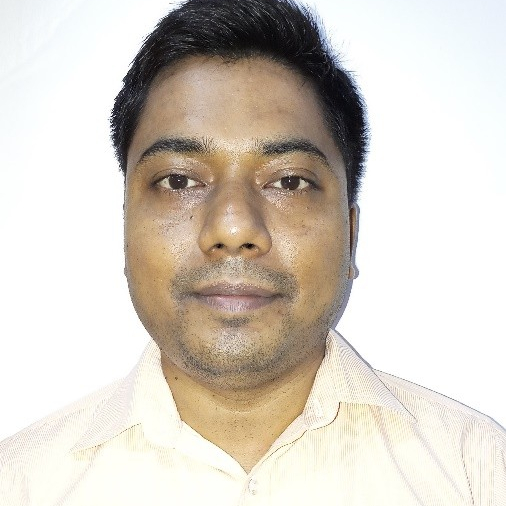
Alwyn Rebello
Alwyn Rebello received an M.Sc. degree in Physics from Cochin University of Science and Technology, Kerala, India, in 2005, and a Ph.D. degree from the National University of Singapore (NUS), Singapore, in 2011. In 2017, he joined GLOBALFOUNDRIES in Singapore, where he is involved in the development of ESD and Latchup protection for technology nodes ranging from 0.18 μm to 28nm. His current research interests include ESD device development and latch-up prevention for various automotive and RF applications.
Theo Smedes
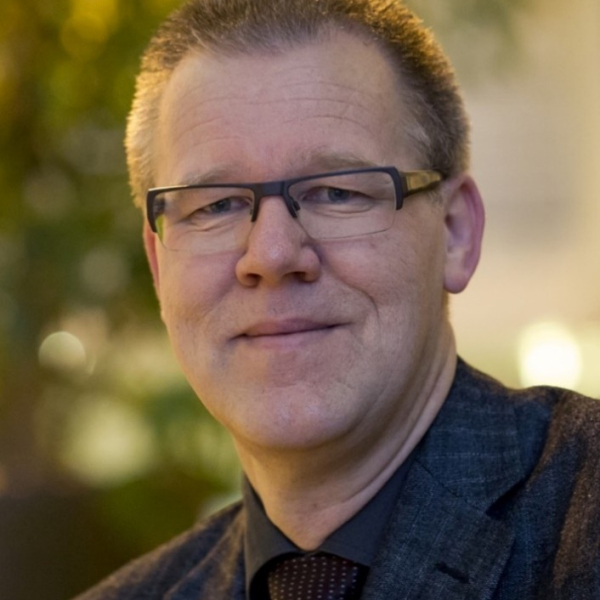
After receiving his Ph.D. from the Eindhoven University of Technology with a thesis on compact device modeling, Theo Smedes worked at the Delft University of Technology on layout-to-circuit extraction. In 1995, he joined NXP Semiconductors (then Philips Semiconductors), working on tools for statistical design. Currently, he is an NXP Fellow for ESD and Latch-up. Theo is a member of all ESDA device testing working groups and chairs the TLP working group. He published several papers on ESD and received the 2007 Best Paper Award and the 2009, 2018, and 2022 Outstanding Paper Award of the EOS/ESD Symposium. Theo was the general chair of the EOS/ESD Symposium in 2013. He has been recognized with ESDA's David F. Barber Sr. Memorial Award (2017) and Outstanding Contribution Award (2022).
Nandha Kumar Subramani
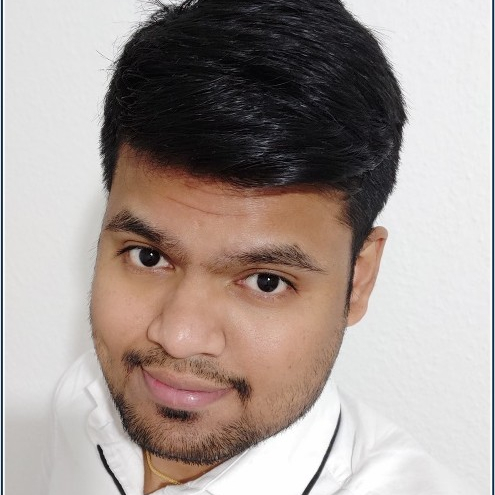
Nandha Kumar Subramani received his PhD in Electronics Engineering from the Université de Limoges, France, in 2017, and his master's degree in Electrical and Electronics Engineering from the University of Sheffield in 2014. He has worked for GLOBALFOUNDRIES on ESD devices development and characterization, and TCAD device modeling. He has authored or co-authored several publications in the fields of GaN trap characterization, low-frequency noise measurements, TCAD-based physical simulations, and ESD device development.
Vladislav Vashchenko
Dr. Vladislav Vashchenko has been the Sr. Director, Power ESD Group at Analog Devices Corp since 2011. He is responsible for aspects of power analog ESD/Latch-up IC co-design business process and technology development. Previously, he managed ESD technology development at National Semiconductor (2000-2011). He received an MS Engineer-Physicist (1987), a Ph.D. in Physics of Semiconductors from MIPT (1990), and a "Doctor of Science in Microelectronics" habilitation degree (1997). He is the author of 150 U.S. patents, over 120 papers, and co-author of three books in the ESD field.
Lena Zeitlhoefler
Lena Zeitlhoefler received her Master's degree in Electrical Engineering in 2017 from the Technical University of Munich (TUM). During her time as a Ph.D. student at TUM, she worked in collaboration with Infineon Technologies AG in the fields of ESD and, in particular, on the physics of CDM and CDM simulation. She is an active member in several standardization working groups. In recent years, she was a member of the TPC for the EOSESD Symposium and for IEW Europe and Asia, and mentored several publications. She joined the global ESD team at Infineon in Munich, Germany, full-time in 2021.
Friedrich zur Nieden
Friedrich zur Nieden received the Ph.D. degree in electrical engineering from TU Dortmund University, Germany, in 2014. From 2007 to 2012, he was a research and teaching assistant at the On-Board Systems Laboratory at TU Dortmund University. In 2010, he received a scholarship from the German Academic Exchange Service, which allowed him to stay at the University of Missouri Science and Technology in Rolla, Missouri, USA, where he continued his work in system-level ESD simulation. In 2012, he joined the central ESD department at Infineon Technologies AG in Munich, Germany. At Infineon, he works on ESD topics, focusing on characterization, device testing, ESD at the system level, and production support.
Transition Break
General Chairs Reception - All Attendees Invited
James Di Sarro
Dr. James Di Sarro received the B.S. degree (summa cum laude) in electrical engineering and economics from Duke University, Durham, NC, in 2004, and the M.S. and Ph.D. degrees in electrical and computer engineering from the University of Illinois Urbana-Champaign, Urbana, IL, in 2006 and 2009, respectively. He is currently a Member of the Group Technical Staff at Texas Instruments in Dallas, TX, working on product-level ESD protection circuit design and verification. From 2009 to 2013, he worked on ESD devices and compact model development for advanced CMOS technologies as an Advisory Engineer/Scientist at IBM Corporation. While a student, he completed several summer internships at IBM Corporation and National Semiconductor in electrostatic discharge (ESD) protection device development. He has 29 granted patents and has authored or co-authored 15 conference presentations and journal papers. Dr. Di Sarro received an IBM Ph.D. Fellowship and an EOS/ESD Symposium Best Student
Paper Award.